What to pack for Pati Valley
The kit list for the crossing, the way the guides who live in the valley pack their own.
Published 9 September 2026 by the Mula Trekking team
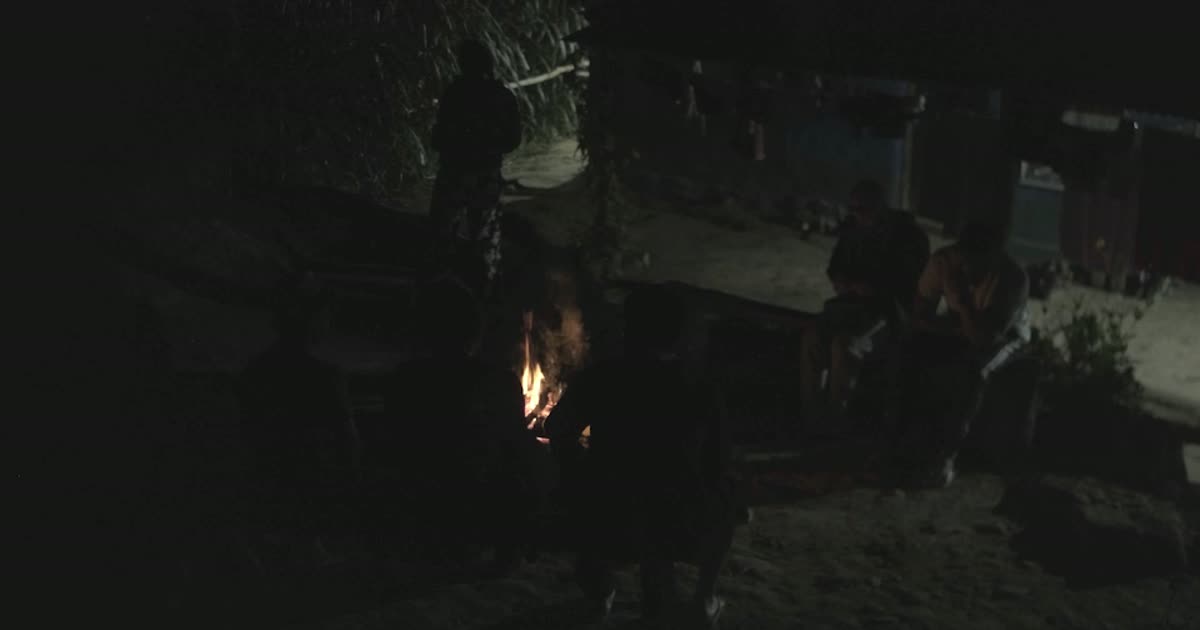
The Pati Valley crossing runs from 35 km to 90 km depending on the route, topping out between 1,180 m and 1,280 m. That is 8 km to 17 km of walking a day, sleeping in the homes of the families who live in the valley. It changes the kit list completely: no tent, no stove, no sleeping mat, no food.
The houses provide a bed, a blanket and a bath towel. So no sleeping bag either, which is usually the bulkiest thing in a trekking pack.
Pack as though you will carry it yourself. Mule support exists, it is optional and charged separately, and it has to be arranged when you book. If you take it you walk light; if you do not, everything goes on your back, which is why every item below has to earn its place.
The two packs
The main pack, around 40 litres, holds everything you brought for the crossing. The daypack is small, foldable, 10 to 20 litres, and optional: it is for days when you walk out from the house you are sleeping in and return to it. On those days the 40 litres stays behind and you carry almost nothing.
| Item | Main pack (~40 L) | Daypack (10 to 20 L, optional) |
|---|---|---|
| Water | Yes | 500 ml minimum |
| Snack for the day | Yes | Yes |
| Rain shell | Yes | Always |
| Warm layer | Yes | One piece |
| Sun cream and repellent | Yes | Yes |
| Torch | Yes | Not needed |
| ID and cash | Yes | Yes |
| Change of clothes | Yes | No |
| Toiletries | Yes | No |
| Sleeping bag | Leave it home | Leave it home |
| Towel | Leave it home | Leave it home |
If you book mule support, the main pack travels with the mules between overnight stops and the daypack stops being optional: it becomes the pack you carry all day.
The list
Pack and carrying
- A main pack of around 40 litres with a hip belt. The belt is what keeps the weight off your shoulders through the day.
- A rain cover for the pack, or plastic bags inside separating dry clothes from everything else.
- A foldable 10 to 20 litre daypack. Optional, for days out from the house you are sleeping in.
- A bottle or flask. At least 500 ml to carry while walking, refilled at the houses and the rivers along the way.
Footwear
- Boots or trail shoes already broken in, with grippy soles. Do not bring anything new.
- Sandals or flip-flops with decent grip, for river crossings and for resting your feet at the house.
- Hiking socks, one pair per day. Cotton holds sweat and opens blisters.
Clothing
- Light quick-drying clothes to walk in. A long-sleeved shirt protects you from the sun better than sun cream does.
- One warm layer: fleece or a base layer. Nights in the valley get cold, especially from April to September.
- A waterproof shell, all year round.
- Swimwear. There is a waterfall or a pool on nearly every day of the route.
- One dry set kept only for sleeping.
Sun and health
- Sun cream and a hat or cap. Long stretches of the trail cross open ground with no shade.
- Insect repellent.
- Any regular medication, enough for the whole trip plus a spare.
- Blister plasters, the item most often missing from a trekking pack.
Other
- A torch with spare batteries. It does not need to be a headlamp. There is no street lighting in the valley.
- A power bank, if you want the margin. The houses have sockets to charge a phone, but you spend the whole day on the trail away from one. There is no mobile signal on the way: some houses have wifi kept for emergencies.
- A bag for your own rubbish. The policy is leave no trace: everything that goes into the valley comes out with you.
What not to bring
- Sleeping bag and mat. The houses provide a bed and a blanket.
- A bath towel. The house provides that too.
- Tent and stove. You sleep in someone’s home, with the food already cooked.
- Food for meals. Breakfast, trail snack and dinner are included, and the kitchen caters for any dietary restriction you mention when booking.
- Hard-shell luggage or a travel pack without a hip belt.
- Heavy cotton clothing, which takes hours to dry after rain.
What changes with the season
From October to March, the Brazilian summer, the waterfalls run full and the vegetation is at its greenest, with rain likely in the afternoon. A rain shell and a way of keeping clothes dry inside the pack stop being suggestions.
From April to September, the dry season, the trail is firmer and the sky clearer, but the nights get cold. In that window bring a better warm layer and a hat to sleep in. The blanket at the house covers the rest.
Getting fit for it
You do not need to be an athlete. Our guides suggest starting walks and some aerobic work at least 30 days before the trip, ideally on uneven ground and with the pack you are going to use. The guide sets the pace by the group, but arriving prepared changes the trip: you look at the landscape instead of counting your steps.
Frequently asked questions
What size pack do I need for Pati Valley?
Around 40 litres. That holds clothing for the whole crossing, a rain shell, one warm layer and personal items, without leaving room to fill with things you will not use. Look for a pack with a hip belt, which takes the weight off your shoulders.
What is a daypack and do I need one?
A small foldable pack of 10 to 20 litres, and it is optional. It is for days when you walk out from the house you are sleeping in and come back to the same place: instead of carrying 40 litres you take water, a snack and a rain shell. Folded, it takes almost no room in the main pack.
Do I need a sleeping bag?
No. The houses in Pati Valley provide a bed, a blanket and a bath towel. No sleeping bag, no mat, no towel, which is a large part of why this trek needs a much smaller pack than a camping crossing.
What footwear should I bring?
Hiking boots or trail shoes you have already broken in, with grippy soles. The crossing runs from 35 km to 90 km depending on the route, over loose rock, slabs and river crossings. New footwear on the trail is the most common cause of blisters.
Can the mules carry my bag?
Mule support is optional, charged separately, and needs booking in advance. If you take it, the mules move your main pack between overnight stops and you walk with a daypack. If you do not, pack as though you will carry everything, because you will.
Do I need to bring food?
No. Meals are included on the crossings: breakfast, a trail snack and dinner, cooked in the homes of the families in the valley. Bring only what is personal to you, like an energy bar for mid-walk.
Can you cater for dietary restrictions?
Yes. The kitchens cater for any diet, including vegetarian, vegan, intolerances and allergies. Tell us when you book: food is bought and prepared in advance, and there is no improvising once the crossing has started.
Still unsure about your pack?
Once your booking is confirmed we send the full kit list for your route and the season you are travelling in. If you want to check something before that, message us on WhatsApp: +55 71 99311-0909.